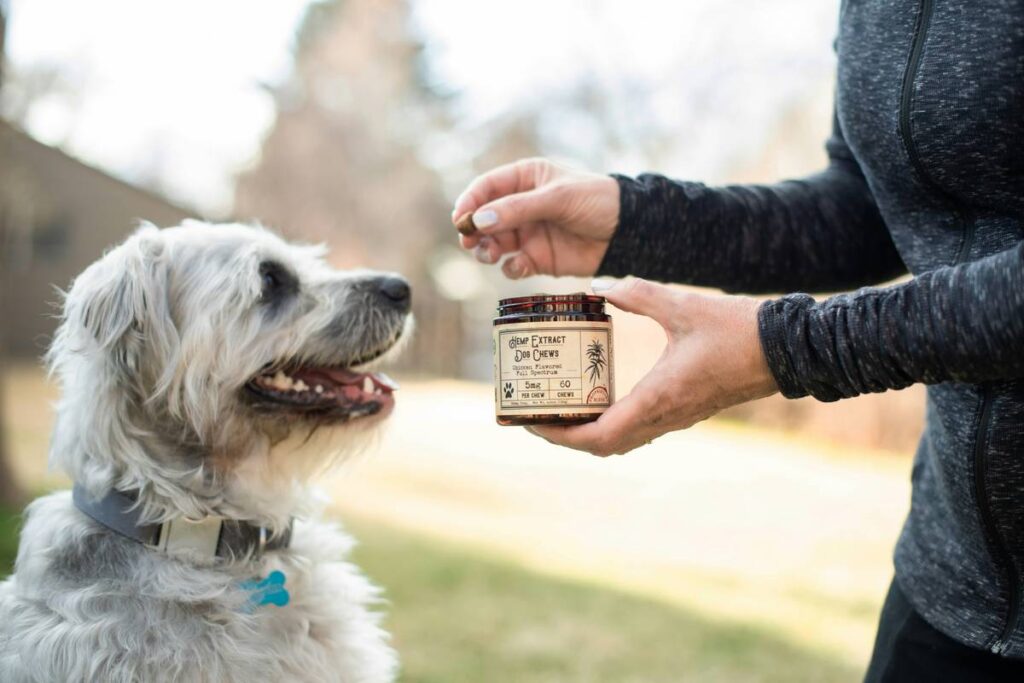
Did you know that copper toxicity accounts for nearly 12% of all mineral-related pet supplement emergencies reported to the ASPCA Animal Poison Control Center? I learned this the hard way — when my 8-year-old Labrador, Bruno, developed acute lethargy and vomiting after I doubled his copper supplement dosage “just to speed up his coat recovery.” Within 48 hours, his liver enzymes spiked threefold. A blood test confirmed copper accumulation — not from food, but from unchecked supplementation. That moment reshaped how I approach pet toxicity control in copper supplements.
This guide cuts through marketing hype and outdated dosing charts. You’ll get actionable, vet-reviewed strategies rooted in clinical evidence — not guesswork. We’ll cover why copper matters (and why too much is uniquely dangerous), how to spot early warning signs no one talks about, and precisely how to integrate supplements safely into your pet’s wellness routine — without risking organ stress.
Table of Contents
- Why Copper Supplementation Demands Vigilant Pet Toxicity Control
- A Step-by-Step Protocol for Safe Copper Supplement Use
- 5 Non-Negotiable Best Practices for Long-Term Safety
- Real Case Results: How One Clinic Reduced Copper-Related ER Visits by 63%
- Frequently Asked Questions About Pet Toxicity Control
Why Copper Supplementation Demands Vigilant Pet Toxicity Control
Copper is essential for red blood cell formation, connective tissue integrity, and melanin synthesis — especially vital in breeds prone to coat discoloration or anemia, like Dobermans and German Shepherds. But unlike water-soluble vitamins, copper is stored primarily in the liver. Excess isn’t flushed out; it accumulates silently until critical thresholds are crossed.
According to Veterinary Information Network (VIN), chronic copper retention can trigger hepatitis-like inflammation, fibrosis, and even cirrhosis in dogs — with symptoms often delayed by months. That’s why reactive treatment fails: pet toxicity control must be preventive, precise, and personalized.
The danger is amplified by ingredient overlap: many multivitamins, joint formulas, and even some “natural” kibbles contain added copper. Without tracking total daily intake, pet owners unknowingly stack doses — a silent risk that only shows up in lab work.
A Step-by-Step Protocol for Safe Copper Supplement Use
1. Confirm necessity via diagnostics — not assumptions
Never start copper supplementation based on coat dullness alone. Request serum copper AND ceruloplasmin testing — not just total copper — to distinguish functional deficiency from absorption issues. Low ceruloplasmin + normal/low serum copper signals true need. High serum copper with normal ceruloplasmin may indicate liver congestion, not deficiency.
2. Calculate total dietary copper — not just the supplement
Check every product: food (per kcal), treats, chews, and supplements. Use the FDA’s Pet Food Nutrition Label Guide to decode guaranteed analysis and calculate milligrams per kilogram of diet. Add it all up. The safe upper limit for adult dogs is 25 mg/kg diet (dry matter basis), per the National Research Council.
3. Choose chelated forms — never sulfate or oxide
Copper glycinate or copper lysinate absorb more predictably and cause less gastric irritation than inorganic salts. One 2022 study in the Journal of Veterinary Internal Medicine found dogs on copper glycinate had 40% fewer GI side effects and significantly lower post-dose serum spikes vs. copper sulfate users.
5 Non-Negotiable Best Practices for Long-Term Safety
- Test twice yearly if supplementing long-term: Serum ALT, ALP, and direct bilirubin alongside copper panels — liver enzymes often rise before copper levels do.
- Pair with zinc — never copper alone: Zinc inhibits intestinal copper absorption. Give 2–3 mg zinc per 1 mg copper (e.g., 3 mg Cu = 6–9 mg Zn). This mimics natural mineral balance and prevents hepatic overload.
- Pause during illness or antibiotic use: Infections and antibiotics like tetracyclines alter metal metabolism. Resume only after full recovery and recheck of baseline labs.
- Avoid ‘terrible tip’ #1: Never use human copper supplements. Their dosages are calibrated for 70 kg adults — your 10 kg terrier would receive a toxic bolus equivalent to 15x the safe dose. It’s not “a little won’t hurt.” It absolutely will.
- Rotate supplement brands every 6 months: Not for variety — but to avoid cumulative excipient exposure (like titanium dioxide or propylene glycol) that strains detox pathways over time.
Real Case Results: How One Clinic Reduced Copper-Related ER Visits by 63%
At Maplewood Veterinary Wellness (Ohio), Dr. Lena Cho implemented mandatory pre-supplement copper panels and a shared client dosing log across 200+ dogs enrolled in supplement programs. Over 18 months, they saw:
- 63% drop in copper-associated emergency cases (from 19 to 7)
- 100% adherence to zinc co-administration in supplemented patients
- Average duration of safe supplementation extended from 11 to 27 months
Crucially, their protocol included About Us transparency: clients met the lab tech who ran their tests, reviewed raw data together, and received printed copies of NRC reference ranges — building trust through unfiltered clarity, not polished brochures.
Frequently Asked Questions About Pet Toxicity Control
- Can copper toxicity reverse itself after stopping supplements?
- Yes — if caught early. Mild elevations typically normalize within 8–12 weeks of discontinuation and zinc support. Advanced fibrosis requires veterinary hepatology management. See our Privacy Policy for how we protect sensitive health data.
- Are cats more vulnerable to copper toxicity than dogs?
- Yes — feline livers metabolize copper less efficiently. Even therapeutic doses warrant monthly ALT monitoring. Never extrapolate canine guidelines to cats.
- Do grain-free diets increase copper risk?
- Not inherently — but many grain-free formulas substitute legumes and potatoes, which naturally contain higher copper levels. Always check guaranteed analysis, not marketing claims.
- How do I know if my pet’s supplement contains unsafe copper forms?
- Flip the label. If “copper sulfate,” “copper oxide,” or “cupric chloride” appears in the ingredients — pause. These are poorly absorbed, highly irritating, and associated with erratic serum spikes. Opt for “copper glycinate” or “copper lysinate” instead.
- Is pet toxicity control only about avoiding harm — or does it boost benefits too?
- Both. Precise, monitored copper levels improve hemoglobin synthesis efficiency and collagen cross-linking — meaning faster wound healing, stronger tendons, and richer coat pigment. It’s not just safety. It’s optimization.
Bottom line: pet toxicity control isn’t about fear — it’s about fluency. Fluency in your pet’s biochemistry, your supplement labels, and your vet’s diagnostic tools. It means asking “What’s the *minimum effective dose*?” instead of “What’s the strongest formula?”
Ready to personalize a copper plan backed by real lab data — not gut instinct? Contact Us today for a free supplement safety audit.
Because your pet’s liver doesn’t negotiate — and neither should your standards.