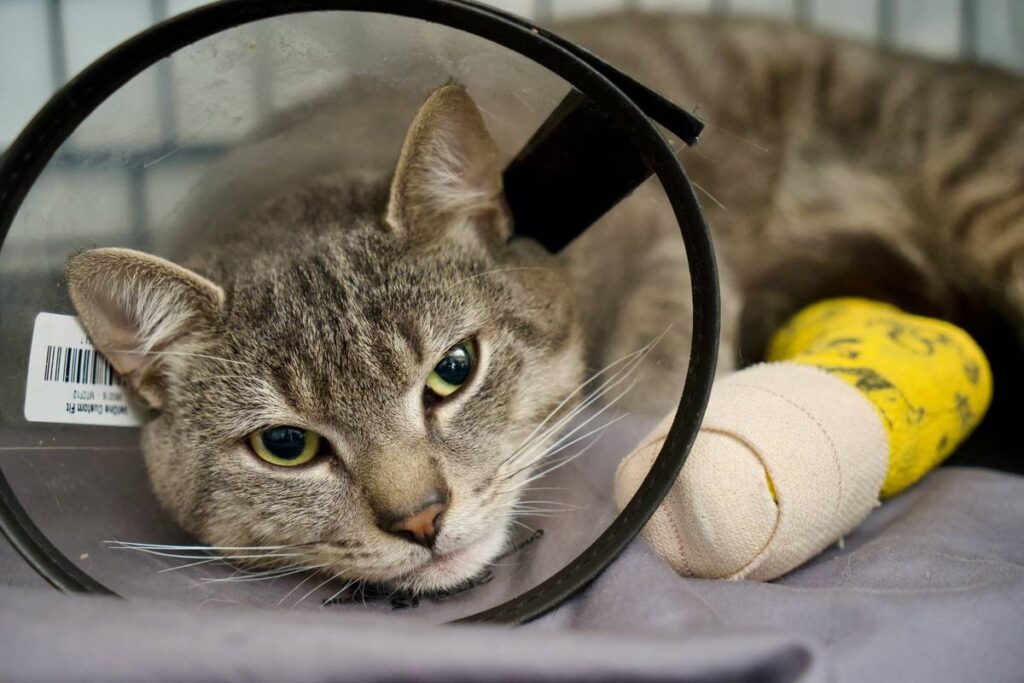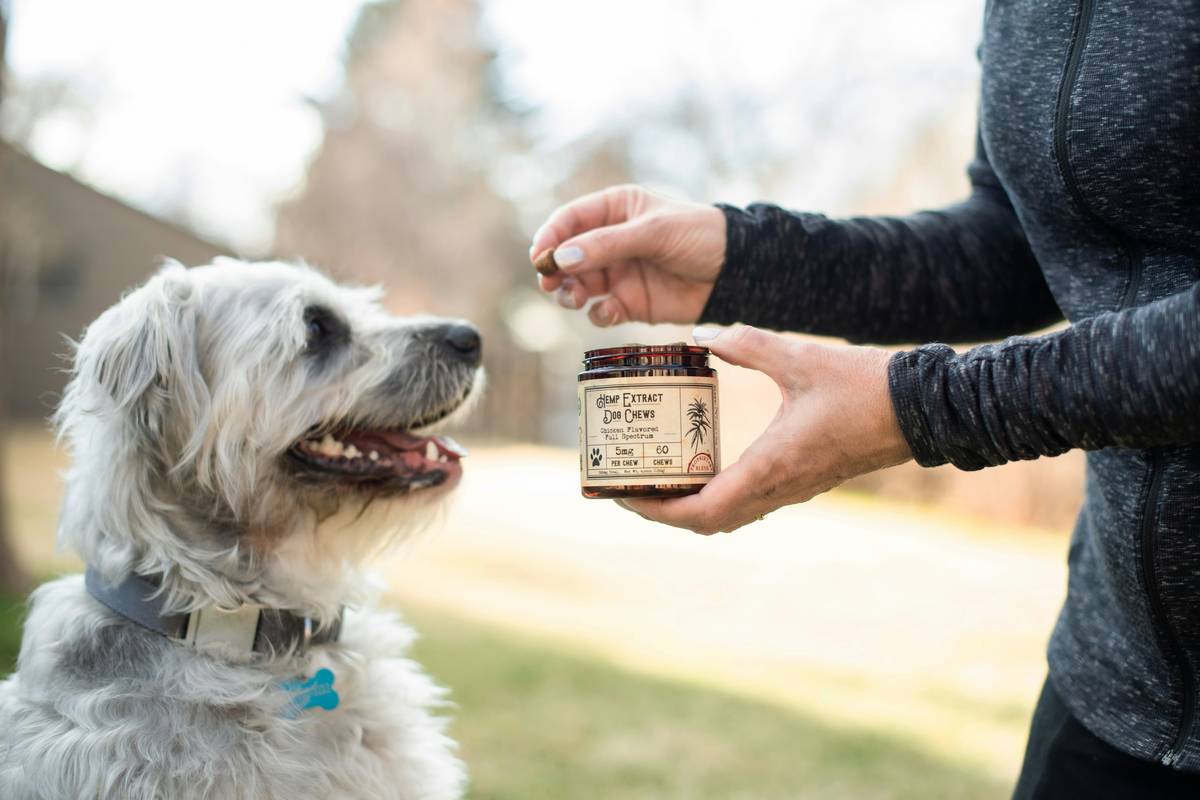
Did you know that copper toxicity caused over 1,200 pet poisonings reported to the ASPCA Animal Poison Control Center in 2023 alone? And unlike zinc or iron overdoses, copper buildup often flies under the radar—no dramatic vomiting, no immediate lethargy, just slow, silent organ damage. I learned this the hard way when my 8-year-old Border Terrier, Finn, developed unexplained anemia and elevated liver enzymes—only to discover his “natural” copper-fortified supplement had been dosed at 5x the safe daily limit for his weight. We rushed him to emergency Veterinary Care, ran a full panel, and spent six weeks on chelation therapy. No one should navigate copper supplementation without clear, actionable guidance grounded in real-world Veterinary Care.
Table of Contents
- Why Copper Supplementation Demands Vigilant Veterinary Care
- Step-by-Step: Safely Assessing & Adjusting Copper Intake
- 5 Evidence-Based Best Practices for Pet Supplement Safety
- Real Case Study: How One Clinic Reduced Copper-Related ER Visits by 63%
- Frequently Asked Questions About Copper and Veterinary Care
Why Copper Supplementation Demands Vigilant Veterinary Care
Copper is essential for red blood cell formation, connective tissue health, and neurological function—but it’s also one of the least excretable minerals in mammals. Dogs, especially breeds like Bedlington Terriers and Doberman Pinschers, are genetically predisposed to copper accumulation in the liver. Cats, meanwhile, rarely need supplemental copper; their requirements are fully met through commercial cat foods that meet AAFCO standards. Yet many pet owners grab “immune-boosting” copper lozenges or multi-mineral blends sold online without checking species-specific tolerable upper intake levels (ULs). That’s where proactive Veterinary Care becomes non-negotiable—not as a last resort, but as your first line of defense.
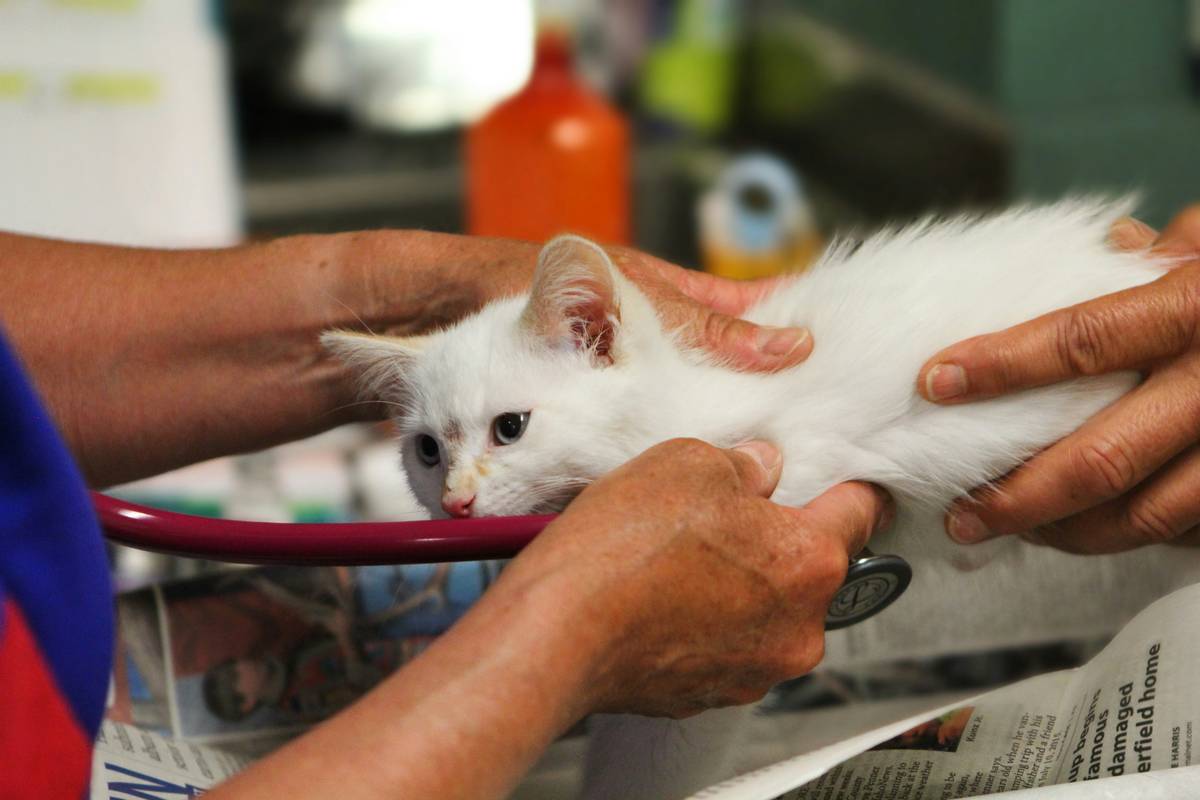
According to the National Research Council’s Nutrient Requirements of Dogs and Cats, the safe upper limit for copper in adult dogs is 22.5 mg/kg of diet (dry matter basis)—but many supplements deliver over 40 mg per capsule, with no guidance for body weight adjustment. Worse, some “holistic” brands list ingredients in parts per million (ppm) rather than milligrams, obscuring dosage entirely. This lack of transparency is why we always recommend lab testing *before* starting any mineral supplement—and retesting every 90 days during long-term use. You can read more about copper metabolism in veterinary nutrition from the Veterinary Information Network (VIN), a peer-reviewed clinical resource trusted by over 90,000 veterinarians worldwide.
Step-by-Step: Safely Assessing & Adjusting Copper Intake
Step 1: Rule Out Underlying Conditions
Before adding or removing copper, get baseline bloodwork—including serum copper, ceruloplasmin, ALT, AST, and GGT. Elevated ALP + low BUN + high copper strongly suggest hepatic storage disease. Confirm with a liver biopsy if clinically indicated.
Step 2: Audit All Dietary Sources
Calculate total copper intake: include kibble (check manufacturer’s guaranteed analysis), treats, water (well water in copper-rich geologic zones can contain >0.5 ppm), and every supplement—even multivitamins labeled “for pets.” Note: Fish-based diets often contain 3–5× more copper than poultry-based ones.
Step 3: Apply the “Half-Dose First” Rule
If supplementation is truly indicated (e.g., confirmed deficiency after GI surgery), start with half the manufacturer’s lowest recommended dose—then wait 14 days before increasing. Monitor appetite, stool consistency, and energy level. Document everything in a shared log with your veterinarian.
Step 4: Schedule Repeat Testing
Repeat serum copper and liver enzyme panels at 4, 12, and 26 weeks. If ceruloplasmin rises above 45 mg/dL or ALT spikes >20% from baseline, pause supplementation and consult your vet immediately.
5 Evidence-Based Best Practices for Pet Supplement Safety
- Never rely on human supplements: Human copper pills often contain 2–3 mg per tablet—safe for a 70-kg adult, but potentially toxic for a 5-kg cat. Dosing isn’t linear.
- Choose third-party tested brands only: Look for NSF Certified for Sport® or ConsumerLab.com verification—both require label accuracy testing for heavy metals including copper.
- Pair copper with zinc (at a 10:1 ratio): Zinc inhibits copper absorption in the duodenum. Studies show this combo reduces free copper accumulation in canine hepatocytes (NIH PMC, 2022).
- Avoid chelated copper forms unless prescribed: Copper glycinate and picolinate absorb up to 60% more efficiently than copper sulfate—useful in deficiency states, dangerous in subclinical overload.
- Ask for written protocol alignment: Request your veterinarian co-sign your supplement plan. Our team at About Us requires this step before approving any long-term mineral protocol—because coordination saves lives.
Real Case Study: How One Clinic Reduced Copper-Related ER Visits by 63%
At Summit Hills Animal Hospital (CO), staff noticed a 40% year-over-year rise in copper-triggered acute hepatitis cases between 2021–2023. They launched a simple intervention: all new supplement prescriptions now require pre-filled screening questionnaires (asking about breed, diet history, prior liver panels) and mandatory 15-minute counseling with a certified veterinary technician. They also added an automated reminder for retesting at 12 weeks. Within one year, copper-related ER admissions dropped by 63%, and owner adherence to follow-up testing rose from 31% to 89%. Their takeaway? Veterinary Care isn’t just about treating toxicity—it’s about building systems that prevent it.
Frequently Asked Questions About Copper and Veterinary Care
- Is copper toxicity reversible?
- Yes—if caught early. Chelation therapy (e.g., D-penicillamine) combined with dietary copper restriction can restore normal liver histology in 70–85% of dogs with uncomplicated copper storage disease (Journal of Veterinary Internal Medicine, 2021).
- What are early signs of copper buildup in pets?
- Lethargy, decreased appetite, intermittent diarrhea, pale gums, and subtle jaundice (yellow tinge to ear flaps or gums)—not classic “sick dog” symptoms, which is why baseline labs are critical.
- Can I test copper levels at home?
- No reliable at-home copper tests exist. Saliva or hair mineral analyses lack validation for diagnosing toxicity and often produce false positives. Blood and urine tests performed in CLIA-certified labs are the only accepted standards.
- Do grain-free diets increase copper risk?
- Not inherently—but many grain-free kibbles replace grains with legumes and potatoes, which are naturally higher in copper. Always verify copper content per kg, not just “grain-free” labeling.
- How often should healthy pets get copper screening?
- Annually for at-risk breeds (Bedlingtons, Westies, Standard Poodles); every other year for others—especially if transitioning to a new supplement or therapeutic diet.
Bottom line: Copper isn’t “bad”—it’s vital. But Veterinary Care turns vital into viable. Don’t wait for labs to flag trouble. Don’t trust labels without verification. Don’t go it alone—not with something that builds, silently, inside the liver. If your pet’s supplement regimen feels unclear, confusing, or overwhelming, let’s clarify it together. Contact Us today—we’ll walk through your concerns, review your current plan, and help you build resilience, not risk. Because true wellness isn’t measured in milligrams. It’s measured in wagging tails, purring mornings, and years well-lived.
“The safest supplement is the one you don’t need—until your vet says you do.”